
thumbnail image
sachintha@sachintharavishan.com
Go To Home Page

Sachintha Ravishan

  • Home
  • Learn
  • Shop
  • Newsletter
  • About
  • …  
    • Home
    • Learn
    • Shop
    • Newsletter
    • About
    Go to Learn Page
    sachintha@sachintharavishan.com
    Go To Home Page

    Sachintha Ravishan

    • Home
    • Learn
    • Shop
    • Newsletter
    • About
    • …  
      • Home
      • Learn
      • Shop
      • Newsletter
      • About
      Go to Learn Page
      Go To Home Page
      • Climate Change Essentials

        From Science to Solutions in Sri Lanka

      • Table of Content

        1. Introduction: Visualizing the Crisis
        2. The Basics: What is Climate Change
        3. The Evidence: Causes & Graphs
        4. The Impact: Consequences for the Planet & Sri Lanka
        5. Global Action: The Paris Agreement & UN
        6. The Future: Adaptation & Mitigation
      • Introduction

        Climate change is not just a buzzword; it is the defining story of our time. From the shifting monsoon patterns affecting our paddy fields to the rising tides threatening our coastal heritage, the signs are everywhere.

        But with so much noise,it is hard to separate fact from fiction. This guide breaks down the complex science into clear, cinematic truths, helping you understand what climate change is, why it is happening, and how we can build resilience in Sri Lanka.

      • The Basics: What is Climate Change?

        The meaning of climate change

        At its simplest, climate change refers to long-term shifts in temperatures and weather patterns. While these shifts can be natural (due to changes in the sun’s activity or large volcanic eruptions), since the 1800s, human activities have been the main driver.

        Why is the planet warming?

        To truly grasp the situation, we need to look at the primary contributors to this global shift:

        • Fossil Fuel Combustion: Carbon dioxide (CO2) is released when we power our cars, factories, and homes.
        • Deforestation: Trees absorb CO2. When we clear forests for agriculture or housing, we lose our natural "carbon sinks."
        • Industrial Agriculture: Modern farming releases methane and nitrous oxide, which are even more potent than CO2 at trapping heat.

        Is global warming the same as climate change?

        This is the most common question we hear. While often used interchangeably, there is a distinct difference between climate change and global warming:

        • Global Warming: Refers only to the Earth's rising surface temperature.
        • Climate Change: Includes warming plus the "side effects" like melting glaciers, heavier rainstorms, and more frequent droughts.

        Read More: Is Climate Change Real? Sorting Fact from Fiction in Sri Lanka

      • The Evidence: Causes & Graphs

        What causes climate change

        The science is clear: the primary cause of climate change is the release of heat-trapping gases, known as greenhouse gases.

        • Human Causes: Burning fossil fuels (coal, oil, gas), deforestation, and industrial agriculture.
        • Natural Causes: Slow changes in the planet’s orbit and tilt, sun’s activity, and large volcanic eruption.

        While natural cycles exist, they cannot explain the rapid warming we see today. And those natural cycles cause earth’s temperature to fluctuate in long timescales. For example,

        1. Ice ages caused due to slow changes in planet’s orbit and tilt.
        2. Changes in the sun’s output over the past 30 years have followed the typical 11-year cycle, with no net increase, while temperatures were warming strongly.
        3. Major volcanic eruptions like natural forces can cause short-term cooling lasting for two to three years.

        "Many independent lines of evidence (from basic physics to the patterns of temperature change through the layers of the atmosphere) have shown that the warming of the past 50 years is primarily due to the human-caused increase in heat-trapping gases."

        (Source: Emanuel, Kerry. Climate Science and Climate Risk. MIT, 2019.)

        The temperature graph

        If you look at a climate change temperature graph from the last century, the trend is undeniable. The line shoots upward, correlating exactly with the industrial revolution.
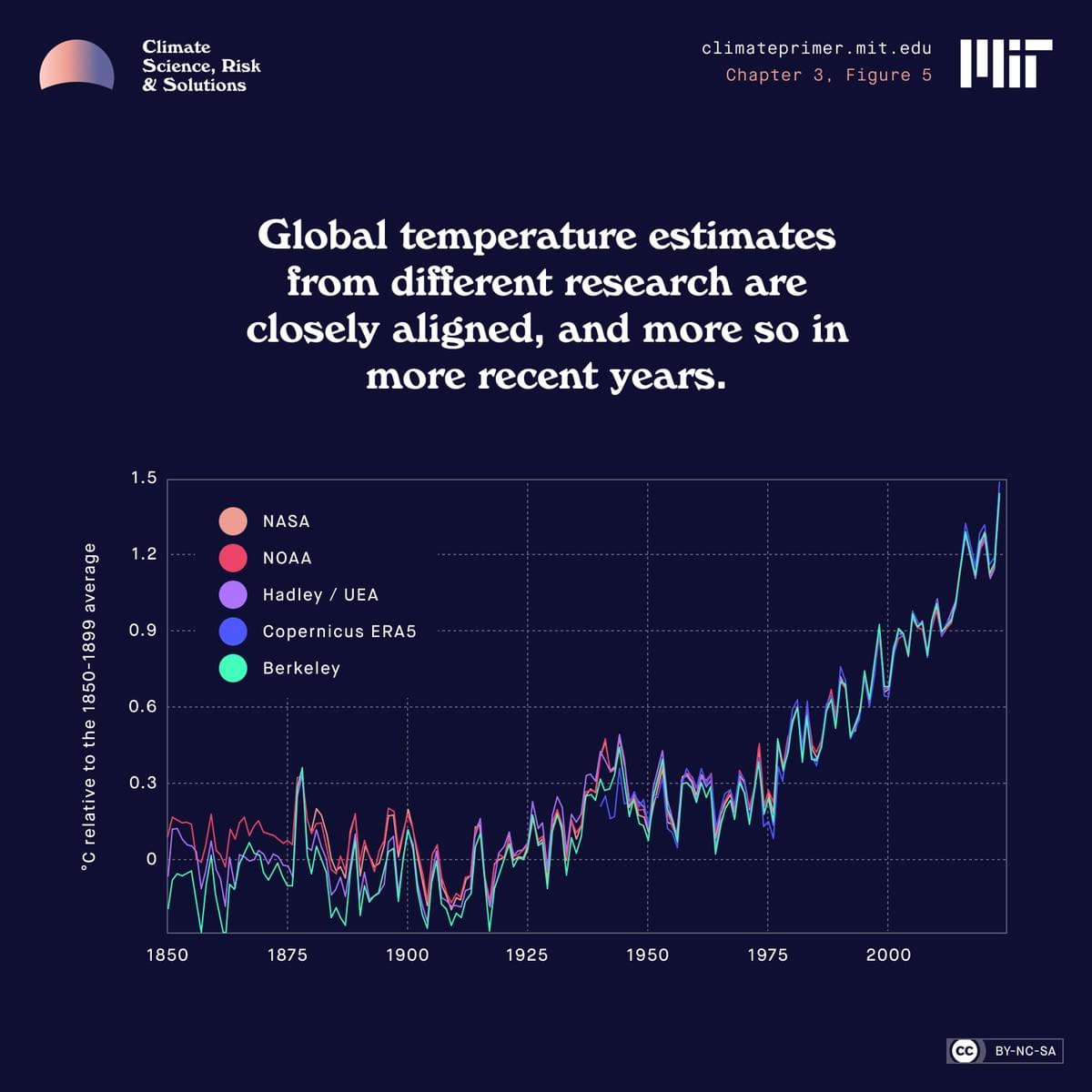
        Chart shows rising trend of global temperature estimates from different research are closely align.
      • The Impact: Consequences for the Planet & Sri Lanka

        The effects of climate change are not just about hotter days. They are about system collapse.

        • Extreme Weather: More intense floods and longer droughts.
        • Ocean Health: Acidification killing coral reefs (crucial for Sri Lankan tourism).
        • Human Impact: Climate change effects on the environment directly threaten food security and health.
      • Global Action:The Paris Agreement & UN

        This is a global fight, and we are part of a global team.

        • United Nations Climate Change (UNFCCC): The entity bringing countries together to tackle the crisis.
        • The Paris Agreement: A legally binding international treaty on climate change. Its goal is to limit global warming to well below 2, preferably to 1.5 degrees Celsius, compared to pre-industrial levels.

        What is Climate Game?

        Dive depp into the complexity of climate negotiations within UNFCCC, which is specifically referred as Climate Game. Accordingly, we will discuss the beginning of the UNFCCC and how different coalitions are formed within it from 1992 to 2025. And the geopolitics within the climate negotiations are especially discussed here.

      • The Future: Adaptation & Mitigation

        We cannot stop the warming that has already happened, but we can prevent the worst-case scenarios. This requires two strategies:

        1. Mitigation (The Cure): Reducing the flow of heat-trapping greenhouse gases into the atmosphere. This includes switching to renewable energy and protecting our forests.
        2. Adaptation (The Shield): Learning to live with our new reality. ForSri Lanka, this means climate change resilience, building stronger coastlines and planting drought-resistant crops.

        What are solutions?

        Real solutions go beyond just "recycling". They involve:

        • Rapid Decarbonization: all the emissions need to cut down through rapid transition to renewable alternatives.
        • Reforestation: Protecting existing natural forest cover and replanting loss forest areas and new areas.
        • Crop Adaptation: Climate resistant crops are essential factor for food security.
        • Sustainable Tourism: Traveling in a way that protects nature.
        • Education: Empowering the next generation to innovate.
        • Policy: Demanding prompt action from leaders.

      Copyright 2026 Sachintha Ravishan

        Home
        Posts
        Contact
      Cookie Use
      We use cookies to ensure a smooth browsing experience. By continuing we assume you accept the use of cookies.
      Learn More